Integrating with Other Google Services
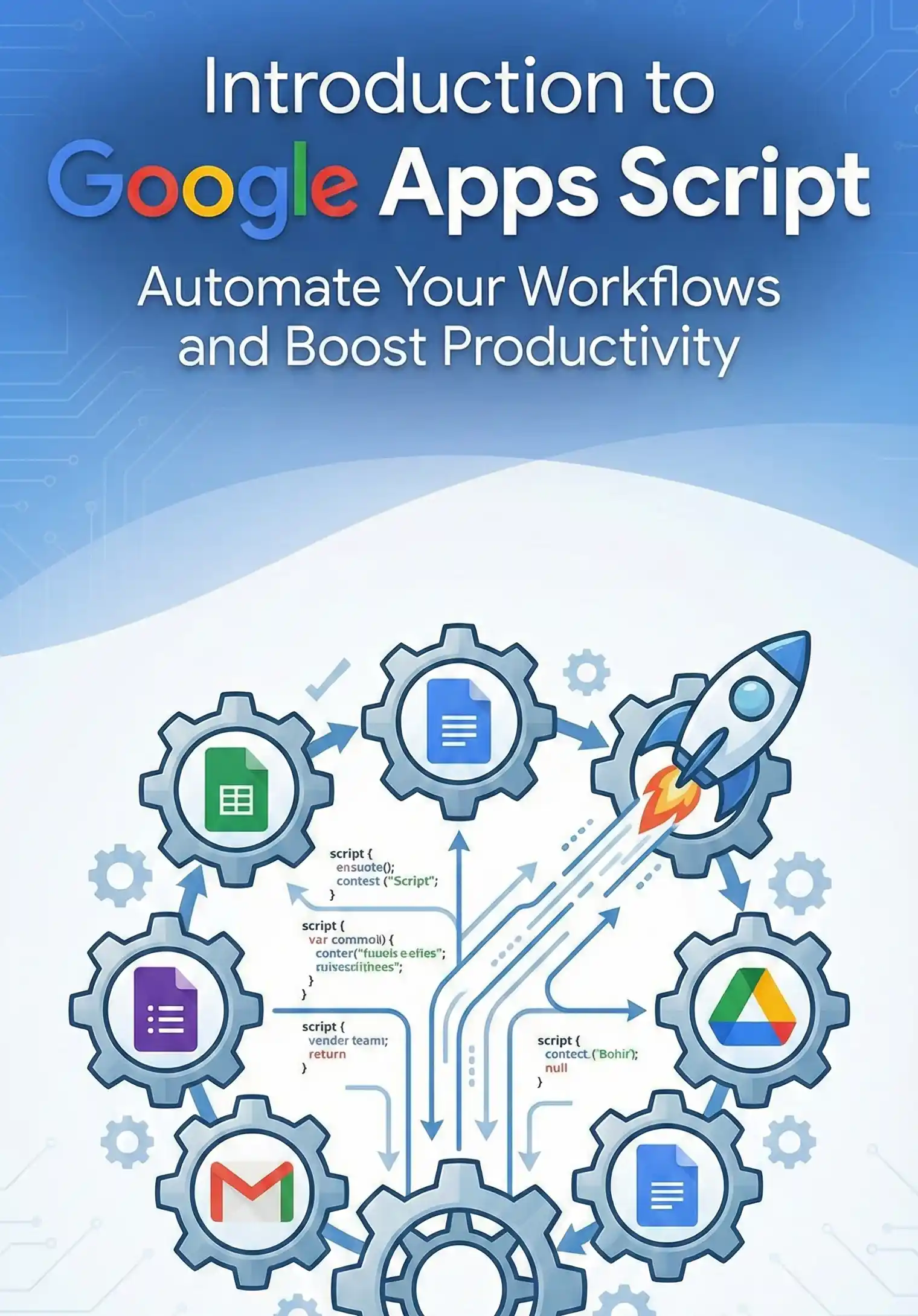
While Google Sheets itself is incredibly powerful with its built-in formulas and functions, its true magic is unlocked when you integrate it with other Google services. Google Apps Script acts as the bridge, allowing you to create seamless workflows that span across your favorite Google applications. This section will explore some of the most common and impactful integrations, showing you how to extend the capabilities of your spreadsheets far beyond basic data manipulation.
One of the most frequent needs is to send notifications or updates via email. Apps Script's MailApp service makes this straightforward. You can send simple text emails, rich HTML emails, and even attach files directly from Google Drive. Imagine automatically notifying a team when a critical threshold is met in your sales data, or sending out a weekly summary report generated from your spreadsheet.
function sendEmailAlert() {
  var sheet = SpreadsheetApp.getActiveSpreadsheet().getActiveSheet();
  var dataRange = sheet.getDataRange();
  var values = dataRange.getValues();

  // Example: Check if the first column of the last row contains 'Urgent'
  var lastRow = values.length;
  if (lastRow > 0 && values[lastRow - 1][0] === 'Urgent') {
    var subject = 'Urgent Action Required!';
    var body = 'Please review the latest data in the \'Dashboard\' sheet. An urgent item has been flagged.';
    MailApp.sendEmail('recipient@example.com', subject, body);
    Logger.log('Urgent email sent.');
  }
}
Google Calendar is another service that integrates beautifully with Sheets. You can create events, update existing ones, and even fetch event data. This is invaluable for managing project timelines, scheduling meetings based on spreadsheet data, or synchronizing task lists with your calendar. Think about automatically adding all upcoming deadlines from your project tracker spreadsheet directly to your Google Calendar.
function createCalendarEvent() {
  var sheet = SpreadsheetApp.getActiveSpreadsheet().getActiveSheet();
  // Assuming 'Task Name' is in column A, 'Start Date' in B, 'End Date' in C
  var taskName = sheet.getRange('A2').getValue();
  var startDate = sheet.getRange('B2').getValue();
  var endDate = sheet.getRange('C2').getValue();

  if (taskName && startDate && endDate) {
    CalendarApp.getDefaultCalendar().createEvent(taskName, startDate, endDate);
    Logger.log('Calendar event created for: ' + taskName);
  }
}
Google Drive offers extensive possibilities. You can read files, create new ones, organize folders, and even generate documents from your spreadsheet data. For instance, you could populate a standardized report template in Google Docs with data from your Sheet, or automatically create a new folder in Drive for each new project entry.
function createGoogleDocFromSheet() {
  var ss = SpreadsheetApp.getActiveSpreadsheet();
  var sheet = ss.getActiveSheet();
  var docTemplateId = 'YOUR_DOCUMENT_TEMPLATE_ID'; // Replace with your template's ID
  var folderId = 'YOUR_DRIVE_FOLDER_ID'; // Replace with your target folder's ID

  var projectName = sheet.getRange('A2').getValue();
  var projectDetails = sheet.getRange('B2').getValue();

  if (projectName) {
    var templateFile = DriveApp.getFileById(docTemplateId);
    var copy = templateFile.makeCopy();
    var doc = DocumentApp.openById(copy.getId());
    var body = doc.getBody();

    body.replaceText('{{ProjectName}}', projectName);
    body.replaceText('{{ProjectDetails}}', projectDetails);

    doc.saveAndClose();

    var folder = DriveApp.getFolderById(folderId);
    folder.addFile(DriveApp.getFileById(copy.getId()));
    DriveApp.getRootFolder().removeFile(DriveApp.getFileById(copy.getId())); // Optional: move from root

    Logger.log('Document created and moved for project: ' + projectName);
  }
}
Google Forms can be a source of data for your spreadsheets, but you can also use Apps Script to programmatically create and manage Forms. This allows for dynamic form creation based on spreadsheet content or for sending out targeted survey invitations.
graph TD
    A[Google Sheet] -->|Trigger Apps Script| B(Apps Script)
    B -->|Send Email| C(Gmail)
    B -->|Create Event| D(Google Calendar)
    B -->|Create Doc/Folder| E(Google Drive)
    B -->|Interact with Form| F(Google Forms)
These examples are just the tip of the iceberg. By mastering these integrations, you can transform your Google Sheets from static data repositories into dynamic hubs that power complex workflows across your entire Google Workspace ecosystem. The key is to identify repetitive tasks or information silos and then leverage Apps Script to build automated connections that save you time and reduce errors.