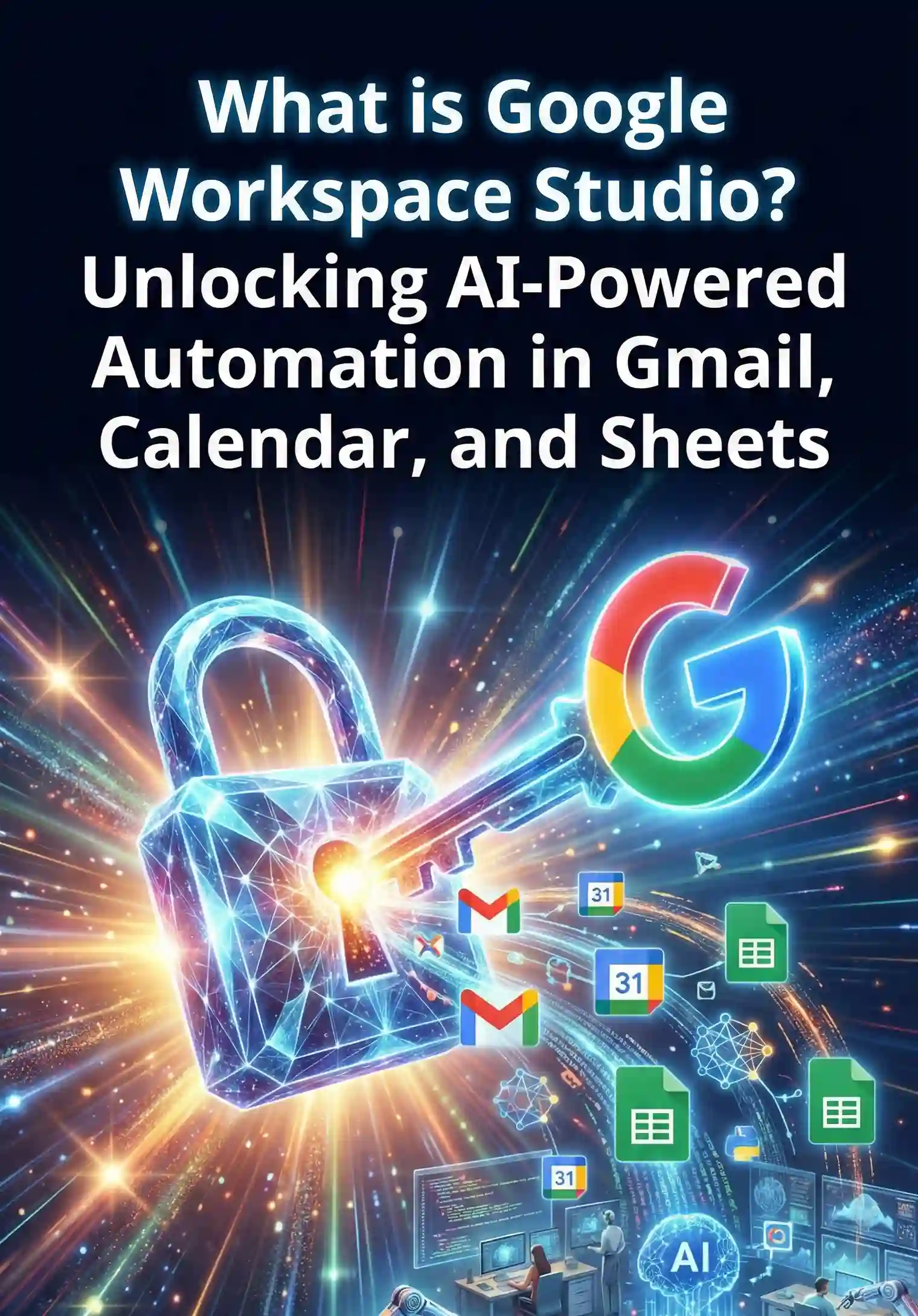
Congratulations: A Recap of Your AI Workflow Transformation
After diving deep into the nuances of code structure, debugging strategies, and the foundational wisdom from software engineering pioneers, it's time to zoom out. Let’s pause, take a breath, and look back at the incredible distance you've traveled. This isn't just about finishing a project; it’s about fundamentally changing how you interact with your digital workspace.
Congratulations: A Recap of Your AI Workflow Transformation
Do you remember the 'before'? The starting point of this journey was likely a familiar landscape of manual, repetitive tasks. It was the world of manually scanning your Gmail inbox for important client requests, painstakingly copying and pasting details like names, dates, and project codes into a Google Sheet, and then, finally, switching over to Google Calendar to create an event, hoping you didn't make a typo along the way. Each step was a potential point of failure, a drain on your time, and a distraction from more meaningful work.
That world is now behind you. You have successfully architected and built an intelligent, automated system—your first AI-powered workflow. Instead of being a digital administrator, you have become a workflow developer. You’ve constructed a process where your Google Workspace tools don't just store information but actively collaborate with you. Emails are now triggers, not chores. Spreadsheets are dynamic dashboards, not static data graveyards. Your calendar is a proactive assistant, not just a passive record.
This transformation was built upon a stack of powerful new skills. You learned to connect the essential pillars of Google Workspace, using Google Apps Script as the bridge. You mastered the core mechanics of retrieving specific emails from Gmail, sending their content to a generative AI for intelligent analysis, and parsing the structured data that came back. You then channeled that information seamlessly into Google Sheets for tracking and, in the final, magical step, used it to automatically schedule precise, detailed events in Google Calendar. You have orchestrated a complete, end-to-end automation.
More importantly, you’ve experienced a profound mindset shift. You no longer have to accept the default limitations of your software. When you see a repetitive, multi-app process, your first thought will no longer be, “How can I do this faster?” but rather, “How can I build a system to do this for me?” This is the core principle of AI workflow development: transforming yourself from a user of tools into an architect of solutions.
By building this first project, you’ve laid a critical foundation. You’ve proven that you can automate complex, cross-platform tasks and infuse them with artificial intelligence. The question now becomes, what's next? How do you take this powerful prototype and make it robust enough for your entire team? How do you handle more complex scenarios, add user interfaces, and monitor its performance? Mastering these next steps is what separates a personal project from a scalable, professional-grade solution.
References
- Brynjolfsson, E., & McAfee, A. (2014). The Second Machine Age: Work, Progress, and Prosperity in a Time of Brilliant Technologies. W. W. Norton & Company.
- Google for Developers. (2024). Publishing Add-ons. Google Workspace. Retrieved from https://developers.google.com/workspace/marketplace/how-to-publish
- Forsgren, N., Humble, J., & Kim, G. (2018). Accelerate: The Science of Lean Software and DevOps. IT Revolution Press.
- Davenport, T. H., & Ronanki, R. (2018). Artificial Intelligence for the Real World. Harvard Business Review.
- Ries, E. (2011). The Lean Startup: How Today's Entrepreneurs Use Continuous Innovation to Create Radically Successful Businesses. Crown Business.