The Prince Academy
ホーム
支援内容
医療機関向けHP制作
医療AI導入・AI検索対応
院内DX・医療DX
医療SNS運用支援
医療ブログ・SEO記事制作
予約・問診アプリ開発
LINE・CRM導線設計
地域別の対応
制作実績
制作実績一覧
医療広告への配慮
医療広告への配慮
表現確認の進め方
運用時の確認体制
お役立ち情報
お役立ち記事
教材で学ぶ
インサイト
医療AI・AI検索対応
会社概要
開発者について
相談する
支援内容
HP制作・AI導入・院内DX
制作実績
これまでの制作事例
医療広告への配慮
表現確認と運用の体制
お役立ち情報
記事・教材・インサイト
地域別の対応
岐阜・名古屋・関西・東京
会社概要
The Prince Academy株式会社
相談する
Home
/
Library
/
Introduction to Computer Algorithm: Data Structures, Complexity, and Optimization for Modern AI Systems
ライブラリ
BOOK
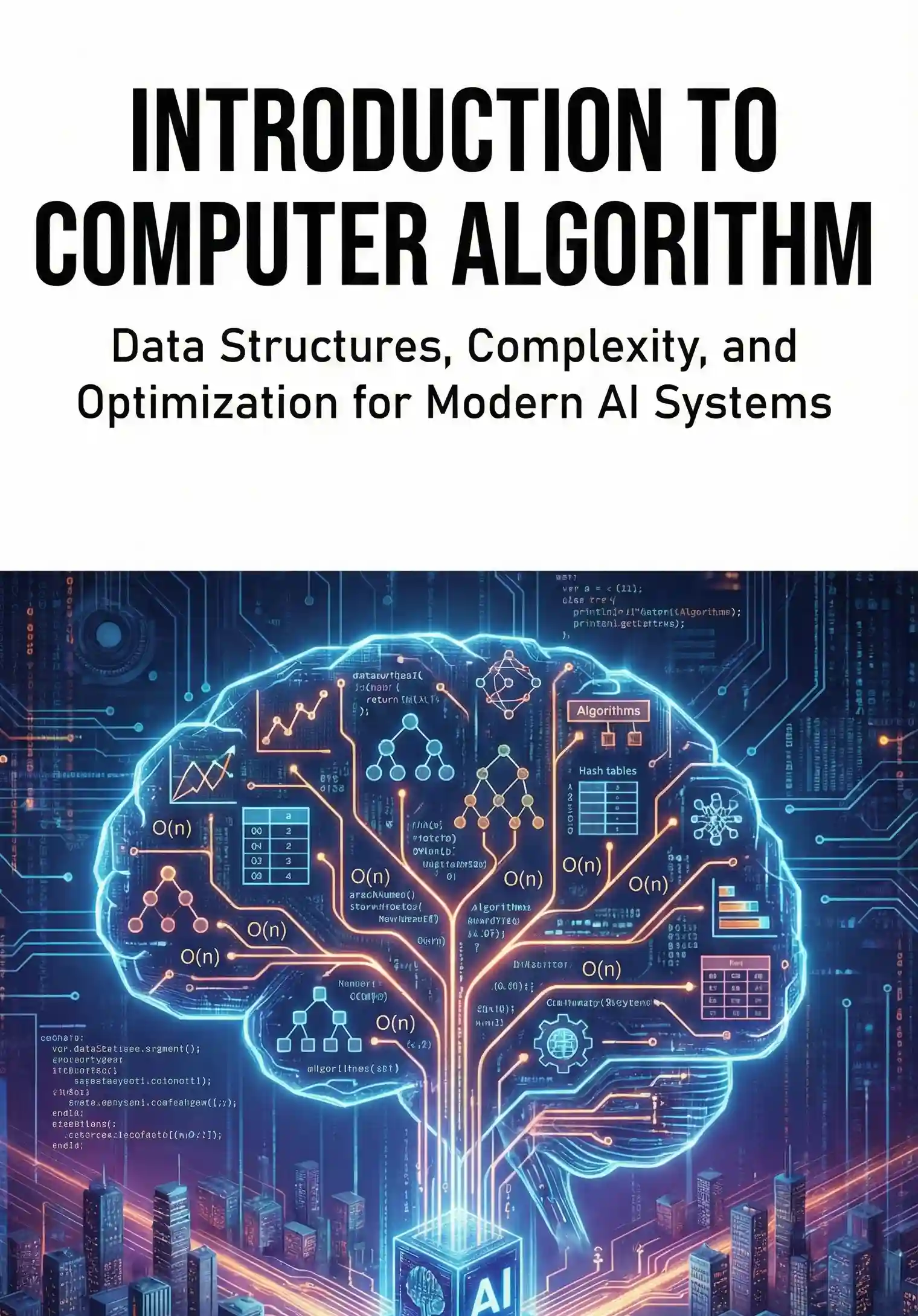
Introduction to Computer Algorithm: Data Structures, Complexity, and Optimization for Modern AI Systems
Follow The Prince Academy Inc.
01
章の一覧
CHAPTERS
章の一覧
01
What is an Algorithm? The Recipe for Computation
This chapter introduces the fundamental concept of an algorithm, explaining it through relatable analogies like recipes and directions. It explores why algorithms are crucial in computer science and introduces basic characteristics.
02
Thinking Like a Computer: Problem Decomposition and Pseudocode
Learn how to break down complex problems into smaller, manageable steps. This chapter focuses on developing logical thinking skills and introduces pseudocode as a tool for planning and communicating algorithmic ideas before writing actual code.
03
Building Blocks of Algorithms: Variables, Data Types, and Basic Operations
This chapter dives into the essential components used in algorithms: variables for storing information, different data types (like numbers and text), and fundamental operations such as assignment, arithmetic, and comparisons.
04
Making Decisions: Conditional Statements (If, Else If, Else)
Explore how algorithms can make choices. This chapter covers conditional statements, allowing programs to execute different actions based on specific conditions, leading to more dynamic and intelligent behavior.
05
Repeating Actions: Loops (For, While) for Efficiency
Discover how to automate repetitive tasks. This chapter introduces the power of loops, enabling algorithms to execute blocks of code multiple times, which is vital for processing collections of data and performing complex operations efficiently.
06
Organizing Your Thoughts: Functions and Modularity
Learn to structure algorithms effectively using functions. This chapter explains how to create reusable blocks of code, making algorithms easier to understand, debug, and maintain, promoting good programming practices.
07
Putting It All Together: Simple Algorithm Examples
Apply the concepts learned in previous chapters by walking through and building several simple yet illustrative algorithms. Examples might include finding the largest number in a list or calculating the average.
ホーム
支援内容
学ぶ
事例
相談する