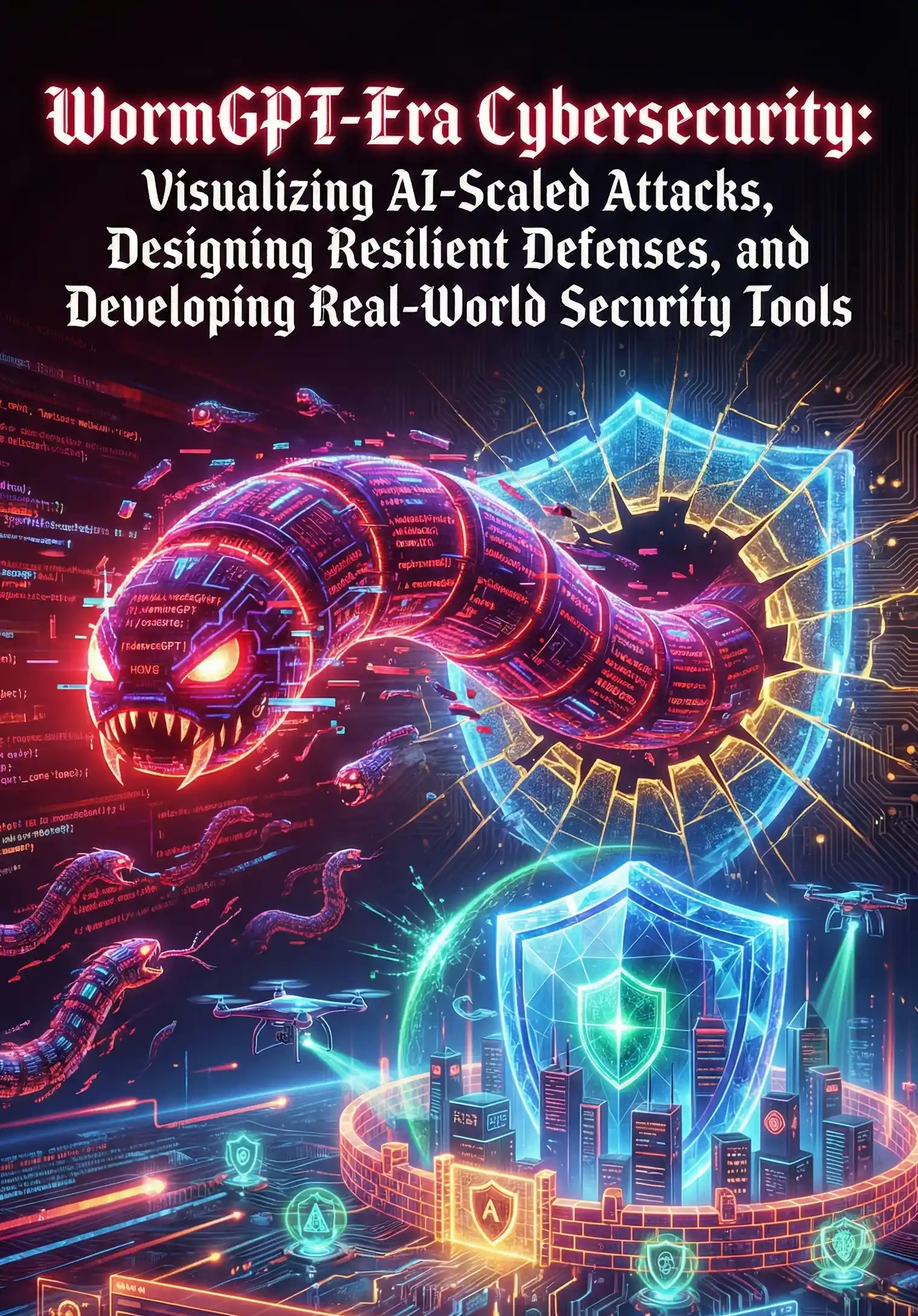
The integration of artificial intelligence into the Security Operations Center (SOC) marks a fundamental shift, not a replacement of human expertise. As AI-powered tools for threat detection, incident response, and security orchestration become commonplace, the role of the security analyst is evolving from a reactive log scrutinizer to a strategic manager of intelligent systems. This new paradigm demands a unique blend of traditional cybersecurity knowledge with skills in data science, AI governance, and system auditing. The analyst of the WormGPT era is less of a digital firefighter and more of an AI shepherd, guiding and validating the actions of their automated counterparts.
Core Competencies for the AI-Augmented Analyst
AI Systems Management & Orchestration
Beyond simply using a tool, the modern analyst must understand how to effectively manage and orchestrate the AI systems within their security stack. This involves comprehending the data pipelines feeding the models, configuring detection thresholds to balance sensitivity and noise, and integrating AI-driven alerts into Security Orchestration, Automation, and Response (SOAR) playbooks. The goal is not just to operate the AI, but to fine-tune its performance within the specific context of the organization's environment, ensuring the technology serves as a true force multiplier for the blue team.
Data Science & Prompt Engineering Literacy
Analysts don't need to be data scientists, but they must possess a foundational literacy in the principles that govern their AI tools. This includes understanding the importance of data quality, recognizing potential data biases that could skew results, and interpreting model confidence scores. A critical emerging skill is prompt engineering for cybersecurity, especially when interacting with Large Language Models (LLMs) for threat intelligence analysis or incident summarization. Crafting precise, context-rich queries allows the analyst to extract maximum value from these powerful models.
// Example Threat Hunting Prompt for a Security LLM
{
  "role": "Security Analyst",
  "objective": "Identify potential C2 communication",
  "context": {
    "log_source": "firewall_logs",
    "timeframe": "last_24_hours",
    "known_indicators": ["unusual_port_usage", "high_frequency_beacons", "non-standard_user_agent"]
  },
  "query": "Analyze provided firewall logs for outbound connections to newly registered domains (.xyz, .club) exhibiting beaconing behavior with a periodicity between 5 and 10 minutes. Correlate with any internal hosts using non-standard HTTP user agents. Summarize top 5 suspicious hosts and their destination domains."
}
AI Model Auditing & Validation